
Understanding the Biological Basis of Ageing
Ageing is a complex biological process characterised by a gradual decline in physiological function and an increased susceptibility to disease. It is a universal phenomenon across species, driven by a confluence of intrinsic and extrinsic factors. From a cellular perspective, ageing involves a progressive accumulation of molecular damage, leading to cellular senescence, impaired tissue repair, and ultimately, organ dysfunction.
Cellular Mechanisms of Ageing
At the fundamental level, cellular ageing is orchestrated by several key mechanisms. Telomere shortening, for instance, limits the number of times a cell can divide, eventually leading to cell cycle arrest. Oxidative stress, caused by an imbalance between the production of reactive oxygen species and the body’s ability to detoxify them, damages cellular components like DNA, proteins, and lipids. Furthermore, mitochondrial dysfunction impairs cellular energy production, contributing to a decline in cellular vitality. The accumulation of senescent cells, which are resistant to programmed cell death, also plays a role by secreting pro-inflammatory molecules that can damage surrounding tissues.
Genetic and Environmental Influences
While the cellular mechanisms are intrinsic, both genetics and environmental factors significantly modulate the ageing process. Genetic predispositions can influence an individual’s longevity and susceptibility to age-related conditions. For example, studies have identified specific gene variants associated with extended lifespans in certain populations. Environmentally, lifestyle choices such as diet, physical activity, and exposure to toxins (e.g., pollution, smoking) can accelerate or decelerate the rate of ageing. In India, for instance, the prevalence of certain lifestyle diseases, such as diabetes and cardiovascular disease, which are often linked to diet and physical inactivity, can impact an individual’s health span and contribute to accelerated biological ageing in some populations. Research consistently demonstrates the interplay between these genetic and environmental factors in determining an individual’s unique ageing trajectory.
If you’re interested in understanding the early signs of aging that you should not ignore, you may find it beneficial to read a related article on the topic. This comprehensive piece discusses various indicators of aging and offers insights into how to address them effectively. For more information, you can check out the article at Everprime Care.
Early Cutaneous Manifestations

The skin, being the body’s largest organ and directly exposed to the external environment, often displays some of the earliest and most visible signs of biological ageing. These changes are primarily due to alterations in the dermis and epidermis, impacting the skin’s structural integrity and regenerative capacity.
Changes in Skin Texture and Elasticity
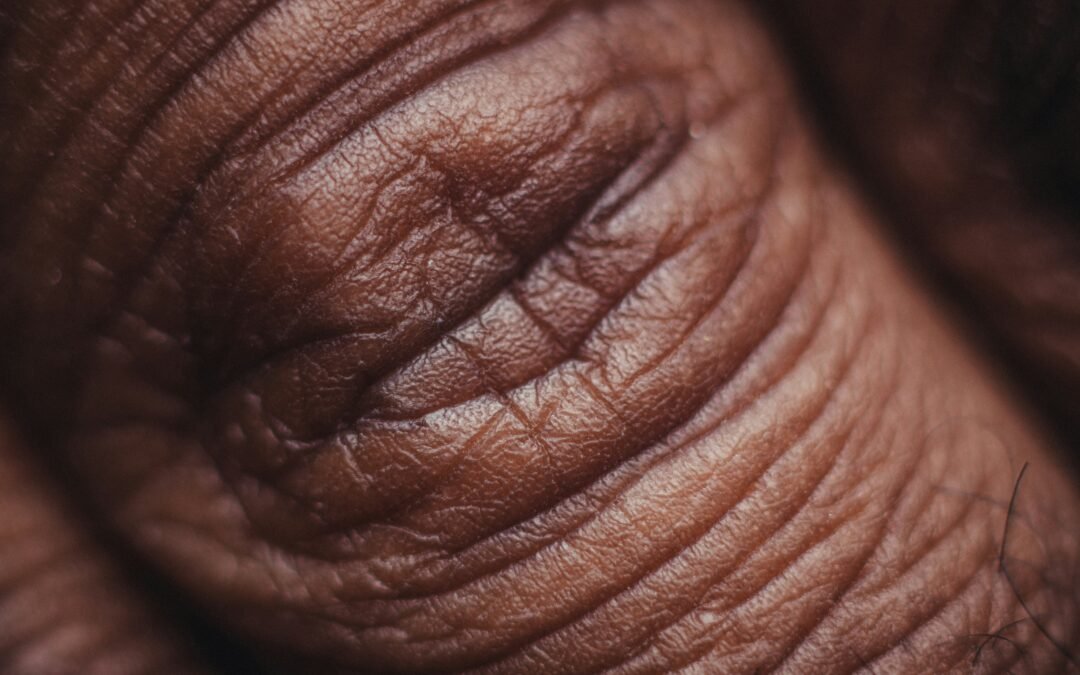
One of the initial noticeable changes is a subtle alteration in skin texture. You may observe a gradual decrease in the skin’s smoothness, often accompanied by a slightly rougher feel. This is largely attributed to a reduction in the natural oils produced by sebaceous glands and a decrease in the skin’s natural moisturising factors. Concurrently, a decline in skin elasticity begins to manifest. This is primarily due to the fragmentation and disorganisation of collagen and elastin fibres in the dermis, which are crucial for maintaining the skin’s structural integrity and ability to rebound. The skin may not snap back as quickly as it once did, indicating a loss of its youthful resilience. This process can be accelerated by chronic sun exposure, a significant factor in many tropical climates, including India, where prolonged UV radiation can degrade these essential proteins more rapidly.
Pigmentary Irregularities
Another common early sign involves the development of pigmentary irregularities. These often appear as discrete areas of hyperpigmentation, commonly referred to as “sunspots” or “age spots.” These are typically flat, brown or black lesions that result from an overproduction of melanin by melanocytes in response to years of sun exposure. While often benign, their appearance signals cumulative UV damage. Additionally, some individuals may notice a general unevenness in skin tone, with areas of lighter or darker pigmentation appearing across the face and other sun-exposed areas. This uneven distribution of melanin contributes to a less uniform complexion and is a clear indicator of the skin’s cumulative exposure to environmental stressors.
Subtle Hair and Nail Changes

Beyond the skin, hair and nails also exhibit characteristic changes with age. These alterations are often subtle initially but can provide indications of the broader biological ageing process occurring within the body.
Hair Thinning and Colour Changes
Hair changes are among the most recognised early indicators of ageing. You might begin to notice a gradual thinning of hair, particularly at the temples or crown. This is often due to a reduction in the density of hair follicles and a decrease in the diameter of individual hair strands, leading to a less voluminous appearance. Concurrent with thinning, changes in hair colour are almost universally observed. The appearance of grey or white hair, known as canities, is due to a progressive decline in melanocyte activity within the hair follicles, leading to a reduction or absence of melanin production. The rate and onset of these changes are influenced by both genetics and environmental factors. For example, while premature greying can occur at any age, a noticeable increase in grey hair in one’s 30s or early 40s is a common early sign of age-related pigment loss.
Nail Brittleness and Texture
The nails, composed primarily of keratin, also undergo age-related modifications. You may observe an increased tendency for nails to become more brittle, making them prone to splitting, cracking, or breaking more easily. This increased fragility can be attributed to a decrease in the water content of the nail plate and a reduction in the speed of nail growth. Furthermore, changes in nail texture are common, with many individuals noticing the development of longitudinal ridges or grooves on the nail surface. While often benign, these ridges reflect alterations in the nail matrix, the area where nail growth originates. These subtle changes in nail integrity and appearance are part of the natural ageing process and typically do not indicate underlying pathology unless accompanied by other symptoms.
Declines in Physical and Cognitive Function
While not always immediately visible, subtle shifts in physical capacity and cognitive processing can also serve as early indicators of the ageing process. These changes reflect modifications in various organ systems, including the musculoskeletal and nervous systems.
Decreased Physical Stamina and Strength
A gradual reduction in physical stamina and strength is a common early sign. You might find that activities that were once effortless now require more exertion, or that you tire more quickly than before. This is largely due to sarcopenia, the age-related loss of muscle mass and strength, which typically begins in the third decade of life and accelerates with age. A decline in cardiovascular efficiency, meaning the heart and lungs become less effective at supplying oxygen to working muscles, also contributes to reduced stamina. For example, walking up a flight of stairs or carrying groceries might feel slightly more challenging. Regular physical activity can significantly mitigate the rate of decline in both muscle mass and cardiovascular function, as supported by numerous longitudinal studies on ageing populations, including those in India where the burden of sedentary lifestyles is increasing.
Subtle Cognitive Shifts
Early cognitive changes are often subtle and may include a slight decline in processing speed or an increased difficulty in multitasking. You might notice that it takes a little longer to recall names or facts, or that focusing on multiple inputs simultaneously becomes slightly more challenging. This is distinct from significant memory loss associated with neurodegenerative conditions. Research suggests that these early changes are often related to alterations in brain structure and function, such as a modest reduction in brain volume in certain areas or a decrease in the efficiency of neural networks. These are considered part of normal cognitive ageing and do not necessarily indicate pathology. However, maintaining mental stimulation through learning, social engagement, and a healthy lifestyle is consistently linked to better cognitive outcomes in later life.
As we navigate the journey of life, it’s essential to pay attention to the early signs of ageing that we should not ignore. These signs can often provide valuable insights into our overall health and well-being. For a deeper understanding of how to recognize these indicators, you might find it helpful to read a related article that discusses various aspects of ageing and offers practical tips for maintaining vitality. You can explore this informative piece by following this link.
Ocular and Auditory Alterations
| Early Sign of Ageing | Description | Common Causes | Recommended Action |
|---|---|---|---|
| Wrinkles and Fine Lines | Visible creases or lines on the skin, especially around eyes and mouth. | Sun exposure, loss of collagen, smoking, dehydration. | Use sunscreen, moisturize regularly, avoid smoking, consider retinoids. |
| Dry or Thinning Skin | Skin becomes less elastic, thinner, and prone to dryness. | Reduced oil production, environmental factors, aging. | Use gentle cleansers, hydrate skin, apply emollients. |
| Age Spots (Liver Spots) | Flat, brown or black spots appearing on sun-exposed areas. | Prolonged sun exposure, UV damage. | Apply sunscreen, consider dermatological treatments. |
| Decreased Muscle Mass | Loss of muscle strength and tone. | Reduced physical activity, hormonal changes. | Engage in regular strength training and exercise. |
| Memory Lapses | Occasional forgetfulness or difficulty concentrating. | Stress, lack of sleep, early cognitive decline. | Maintain mental activity, get adequate rest, consult a doctor if persistent. |
| Joint Stiffness | Reduced flexibility and discomfort in joints. | Wear and tear, inflammation, decreased activity. | Regular low-impact exercise, maintain healthy weight, consult healthcare provider. |
| Changes in Hair | Graying, thinning, or hair loss. | Genetics, hormonal changes, nutritional deficiencies. | Balanced diet, avoid harsh treatments, consider supplements. |
Sensory organs, particularly the eyes and ears, are also subject to age-related changes, often manifesting as subtle shifts in vision and hearing acuity that can be noticed in earlier stages of the ageing process.
Visual Acuity Changes
One of the most common early changes in vision is presbyopia, often referred to as “age-related farsightedness.” You might begin to notice difficulty focusing on close-up objects, such as reading small print, necessitating holding reading material further away. This is due to a gradual hardening of the eye’s lens and a weakening of the muscles that control its shape, making it less flexible and less able to accommodate for near vision. Presbyopia typically becomes noticeable in the early to mid-40s. Additionally, you may observe a reduced ability to adapt to changes in light levels or a slight decrease in night vision, often due to changes in the retina and pupil size. These are physiological changes and are distinct from pathological eye conditions, although regular eye examinations remain crucial to monitor for other age-related eye diseases.
Auditory Sensitivity Shifts
Similarly, changes in auditory sensitivity can begin subtly. You might occasionally find it harder to hear high-frequency sounds, or struggle to understand conversations in noisy environments. This is often an early indicator of presbycusis, or age-related hearing loss, which involves a gradual and progressive decline in the ability to hear. It is primarily caused by changes within the inner ear, specifically the degeneration of hair cells in the cochlea. While profound hearing loss is typically associated with older age, subtle changes in auditory processing can begin earlier. Environmental noise exposure over a lifetime can also contribute to the acceleration of these auditory changes. Recognising these subtle shifts can prompt appropriate interventions, such as hearing protection or adjustments in communication strategies.
Key Takeaways:
- Ageing is a multi-faceted biological process influenced by cellular changes, genetics, and environment, manifesting in various organ systems.
- Early signs often appear as subtle changes in skin texture, hair, nails, physical stamina, cognitive function, and sensory perception.
- These initial indicators are typically physiological aspects of normal ageing and do not necessarily signify disease, but can be modulated by lifestyle.
This article is for general information and does not replace personalised medical advice. Please consult a doctor for your specific situation.
FAQs
What are some common early signs of ageing?
Common early signs of ageing include fine lines and wrinkles, age spots, sagging skin, dullness, and loss of elasticity.
Can lifestyle choices affect the rate of ageing?
Yes, lifestyle choices such as smoking, excessive sun exposure, poor diet, lack of exercise, and inadequate skincare can accelerate the ageing process.
How important is sunscreen in preventing premature ageing?
Sunscreen is crucial in preventing premature ageing as exposure to UV rays can cause wrinkles, age spots, and sagging skin. It is recommended to use a broad-spectrum sunscreen with at least SPF 30 daily.
What role does hydration play in maintaining youthful skin?
Proper hydration is essential for maintaining youthful skin as it helps plump up the skin, reduce the appearance of wrinkles, and improve skin elasticity. Drinking an adequate amount of water daily is important for overall skin health.
At what age should one start incorporating anti-ageing products into their skincare routine?
It is recommended to start incorporating anti-ageing products into your skincare routine in your late 20s to early 30s as a preventive measure. Products with ingredients like retinol, vitamin C, and hyaluronic acid can help combat early signs of ageing.