

Written by Dr. Neeta Nelson, MBBS, MD Community Medicine, Resident, for EverPrimeCare
1. Start With the Main Goal: Eating for Strength, Comfort, and Everyday Energy
Healthy eating in older adulthood is not about strict rules, “perfect” plates, or giving up the foods you enjoy. It is about helping your body feel supported through daily activities—walking, bathing, praying, playing with grandchildren, gardening, going to the market, or simply staying active and independent.
As you grow older, your food needs may change because of:
- A naturally changing appetite
- Dental issues or difficulty chewing
- Slower digestion
- Reduced thirst sensation
- Changes in taste or smell
- Medicines that affect appetite or digestion
- Lower muscle mass and strength
- Bone health concerns
- Living alone or eating fewer freshly cooked meals
A practical Indian eating pattern can still include familiar foods such as dal, curd rice, chapati, vegetable sabzi, idli, dosa, poha, upma, khichdi, sambar, rasam, buttermilk, seasonal fruits, nuts, seeds, and traditional homemade snacks.
The focus is not on restriction. Instead, you can aim for meals that are:
- Easy to chew and digest
- Rich in protein and fibre
- Colourful and varied
- Hydrating
- Safe and hygienic
- Enjoyable and culturally familiar
A simple way to think about healthy eating is this: most plates can include a cereal or millet, a protein food, a vegetable, and something fermented or calcium-rich when possible. You do not need to follow a rigid meal plan. Your food can change with your appetite, local availability, budget, season, and family routine.
For those interested in exploring more about nutrition tailored for seniors, a related article titled “Healthy Eating for Older Adults: A Complete Guide” provides valuable insights and practical tips. This comprehensive guide emphasizes the importance of balanced diets and nutrient-rich foods to support the health and well-being of older adults. To read more about this topic, you can visit the article here: Healthy Eating for Older Adults: A Complete Guide.
2. Build a Balanced Indian Plate Without Making It Complicated
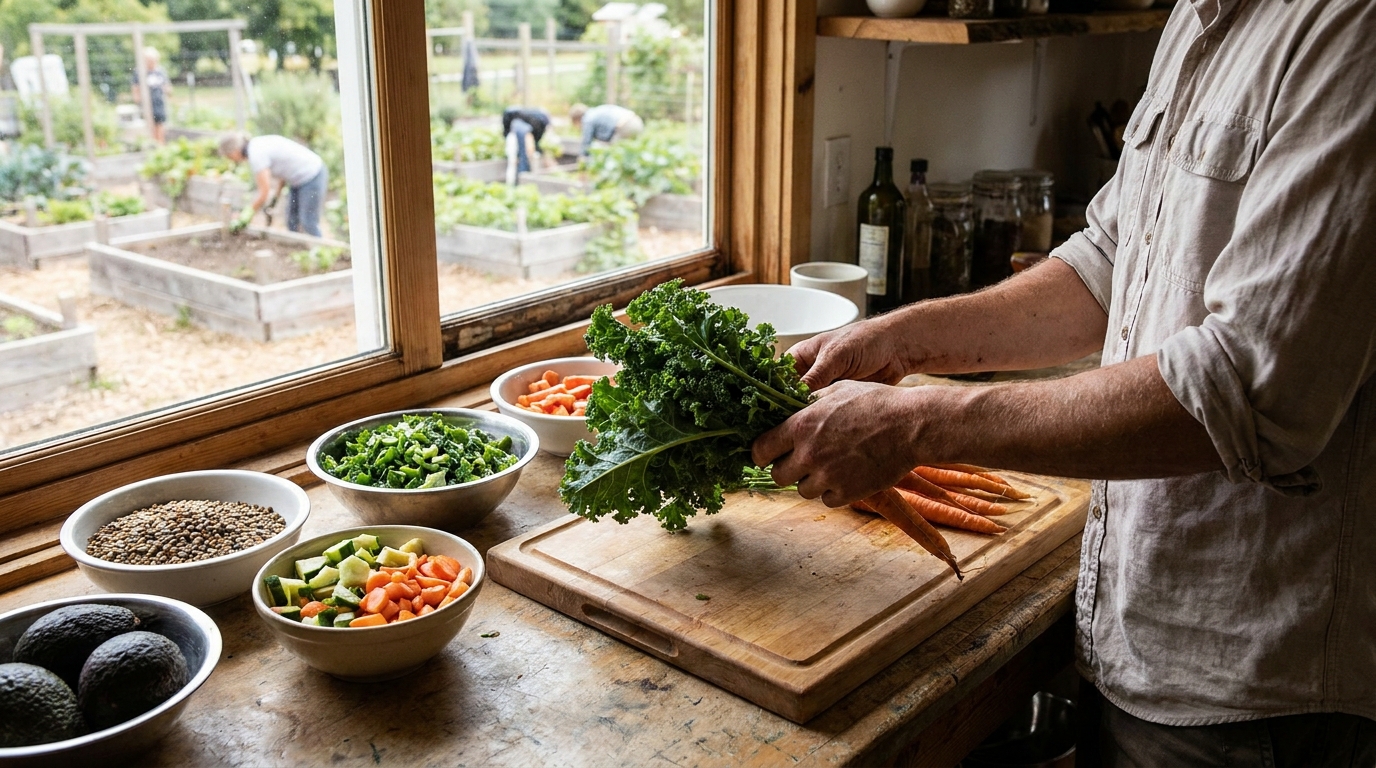
A balanced plate does not need weighing scales, strict calorie counting, or complicated charts. You can look at your usual Indian meals and gently improve them by adding variety.
Include grains and millets you already know
Grains and millets provide energy, comfort, and satisfaction. Older adults often do well with familiar staples that are cooked soft and paired with dal, curd, vegetables, or chutney.
Good options include:
- Rice
- Wheat chapati or phulka
- Jowar roti
- Bajra roti
- Ragi dosa or ragi porridge
- Foxtail millet, little millet, or kodo millet
- Broken wheat dalia
- Poha
- Upma made with suji, dalia, or millet
- Idli and dosa batter made with rice and urad dal
If digestion is sensitive, you may find softer preparations easier:
- Soft khichdi with moong dal
- Curd rice with grated carrot or cucumber
- Dalia cooked with vegetables
- Soft idli with sambar
- Vegetable pongal
- Rice kanji or pej with a protein side
There is no need to force millets if they cause bloating or are difficult to chew. Rice, wheat, and traditional cereals can all be part of healthy eating when paired well.
Add protein foods to maintain strength
Protein is especially important in older adulthood because it supports muscles, healing, immunity, and daily strength. Many older adults unknowingly eat less protein because appetite reduces, chewing becomes difficult, or meals become mostly rice, roti, and tea.
Vegetarian protein options include:
- Moong dal, toor dal, masoor dal, chana dal
- Rajma, chole, lobia, green gram
- Sprouts, if tolerated and hygienically prepared
- Paneer
- Curd and thick curd
- Buttermilk
- Milk
- Soy chunks or tofu
- Besan chilla
- Peanut chutney
- Roasted chana
- Sattu
- Nuts and seeds in suitable textures
Non-vegetarian options, if you eat them, may include:
- Eggs
- Fish
- Chicken
- Lean meat in moderate portions
- Homemade bone broth or light soups, depending on your food habits
You do not need to eat large portions at once. You can include smaller amounts across the day through foods like dal with rice, curd with meals, paneer bhurji, egg bhurji, sambar, peanut chutney, or besan cheela.
Bring colour through vegetables and fruits
Vegetables and fruits provide fibre, vitamins, minerals, antioxidants, and freshness. You can choose local, seasonal, affordable options.
Vegetables to include often:
- Lauki
- Tinda
- Pumpkin
- Carrot
- Beetroot
- Beans
- Cabbage
- Cauliflower
- Brinjal
- Bhindi
- Capsicum
- Drumstick
- Spinach
- Methi
- Amaranth leaves
- Mustard greens
- Ridge gourd
- Snake gourd
Fruits to enjoy as per season and tolerance:
- Banana
- Papaya
- Guava
- Apple
- Orange
- Sweet lime
- Pomegranate
- Chikoo
- Mango in season
- Watermelon
- Muskmelon
- Grapes
- Pear
If chewing is difficult, you can use softer forms:
- Stewed apple
- Ripe banana
- Mashed papaya
- Soft-cooked vegetables
- Vegetable soups
- Grated cucumber or carrot
- Well-cooked leafy greens
- Smooth chutneys
Fruits are best eaten as whole fruit when possible rather than strained juices, because whole fruits offer fibre and better fullness.
3. Prioritise Protein in Gentle, Familiar Ways
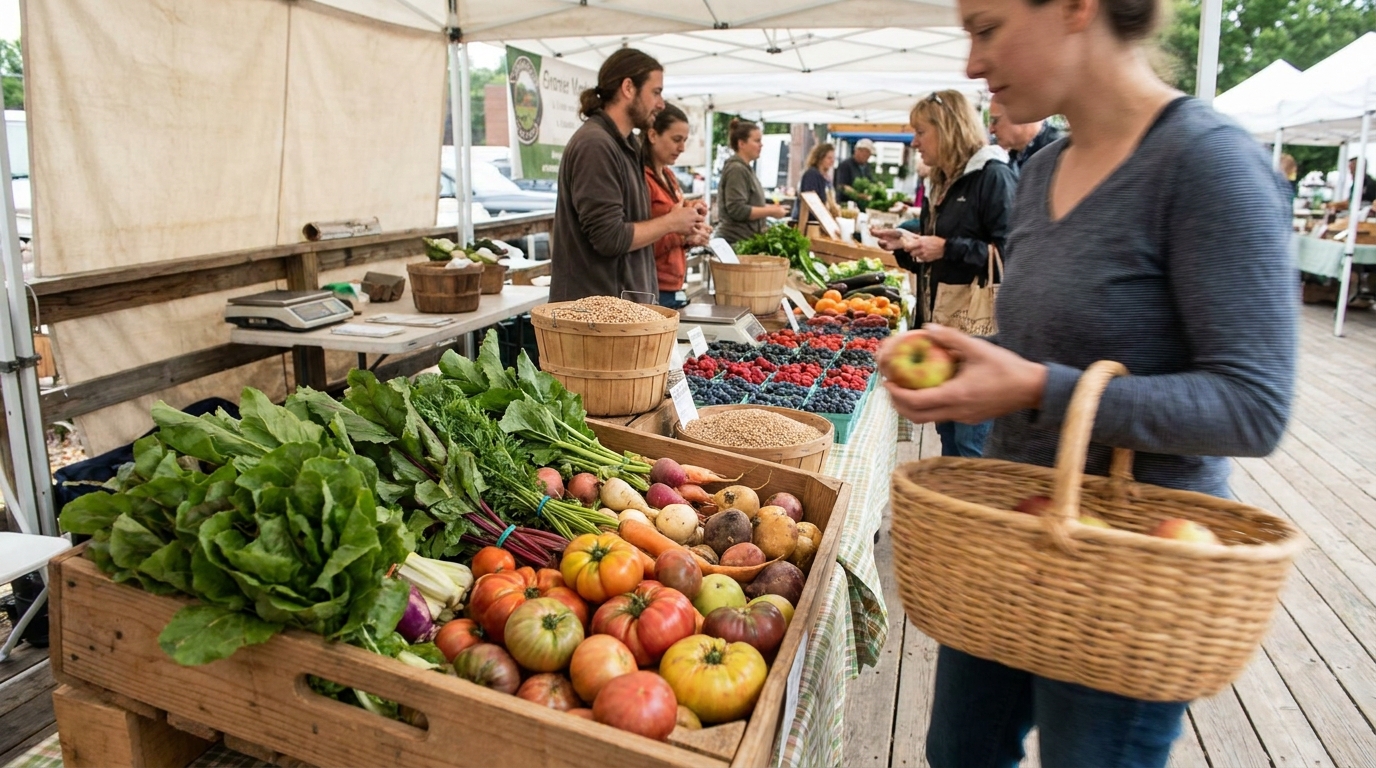
Protein deserves special attention in older adults because muscle strength affects balance, walking, recovery, and independence. You do not need expensive powders or imported foods to improve protein quality. Many Indian kitchens already have excellent protein foods.
Use dal more creatively
Dal is one of the easiest ways to support protein intake. If plain dal feels repetitive, you can rotate:
- Moong dal khichdi
- Toor dal with vegetables
- Masoor dal soup
- Chana dal with lauki
- Dal palak
- Sambar with mixed vegetables
- Panchmel dal
- Dal dhokli
- Dal paratha made soft
- Dalia cooked with dal
If dal causes gas, try practical steps:
- Soak dal before cooking
- Use hing, jeera, ajwain, ginger, or garlic if tolerated
- Start with moong dal, which is often easier to digest
- Cook dal well until soft
- Eat smaller portions more regularly instead of a large serving at once
Make dairy work for you, if tolerated
Dairy foods can provide protein, calcium, and comfort. Many older adults find fermented dairy easier than plain milk.
Options include:
- Curd
- Buttermilk
- Lassi without excessive sugar
- Paneer
- Milk in tea, porridge, or kheer-style preparations
- Curd rice
- Raita with cucumber, carrot, beetroot, or bottle gourd
- Kadhi made with curd and besan
If milk causes bloating or loose stools, curd or buttermilk may be better tolerated. If you avoid dairy, you may need to rely more on dals, pulses, soy foods, nuts, seeds, and other calcium-containing foods. For specific dietary restrictions, a dietitian can guide you personally.
Keep easy protein snacks ready
Older adults may not always feel like eating a full meal. Small, nourishing snacks can help.
Protein-supportive snack ideas:
- Roasted chana
- Peanut chikki, if chewing and sugar tolerance are suitable
- Sattu drink made savoury with jeera and lemon
- Besan chilla
- Moong dal cheela
- Curd with fruit
- Paneer cubes with pepper
- Sprouts chaat, if digestion allows
- Boiled egg, if eaten
- Idli with sambar
- Dhokla
- Handvo
- Khandvi
- Peanut or coconut chutney with dosa
Choose textures that match your comfort. If nuts are hard to chew, use powdered nuts in porridge, chutney, or laddoo-style preparations rather than whole nuts.
4. Support Bone, Joint, and Muscle Health Through Food
Bone and muscle health becomes increasingly important with age. Food alone cannot prevent every health issue, but it can support your body alongside movement, sunlight exposure, medical care, and safe daily activity.
Include calcium-rich foods regularly
Calcium supports bones, teeth, muscles, and nerve function. Indian kitchens offer many calcium-containing foods.
Options include:
- Milk
- Curd
- Paneer
- Ragi
- Sesame seeds or til
- Amaranth leaves
- Drumstick leaves
- Methi leaves
- Bathua
- Rajgira
- Soy products
- Small fish eaten with bones, if part of your food culture
- Almonds, if tolerated
- Chia or garden cress seeds, used in food preparations where appropriate
Simple ways to include them:
- Ragi dosa with chutney
- Curd with lunch
- Til chutney with bhakri
- Paneer bhurji with soft chapati
- Methi dal
- Drumstick sambar
- Rajgira roti
- Vegetable raita
Do not ignore vitamin D and sunlight
Vitamin D is important for bone and muscle function. Food sources are limited, and sunlight exposure often plays a role. However, vitamin D needs vary, and supplements should not be started casually without medical advice.
Practical non-prescriptive steps include:
- Spend safe time outdoors when possible
- Discuss vitamin D testing with your doctor if advised
- Avoid taking high-dose supplements without medical supervision
- Ask your doctor about medicines that may affect bone health
Dr. Neeta Nelson would emphasise that bone health is not only about one nutrient. It includes food variety, safe movement, fall prevention, regular check-ups, and personalised medical care when needed.
Add gentle movement along with food
Nutrition works better when combined with activity suited to your ability. You do not need intense exercise to benefit.
Examples to discuss with your doctor or physiotherapist:
- Walking
- Chair exercises
- Gentle stretching
- Balance exercises
- Light resistance exercises
- Yoga modified for older adults
- Household activities done safely
If you have dizziness, frequent falls, severe joint pain, recent surgery, heart symptoms, or breathing difficulty, please seek medical guidance before changing activity levels.
For older adults looking to enhance their nutrition, exploring various resources can be incredibly beneficial. A related article that provides valuable insights into maintaining a balanced diet as we age can be found at EverPrime Care. This guide offers practical tips and strategies tailored to the unique dietary needs of seniors, ensuring they can enjoy a healthy and fulfilling lifestyle.
5. Keep Digestion Comfortable With Fibre, Fluids, and Fermented Foods
| Category | Recommended Intake | Key Nutrients | Benefits for Older Adults |
|---|---|---|---|
| Fruits and Vegetables | 5-7 servings per day | Vitamins A, C, fiber, antioxidants | Supports immune function, reduces inflammation, promotes digestive health |
| Whole Grains | 3-5 servings per day | Fiber, B vitamins, magnesium | Helps maintain healthy digestion, lowers risk of heart disease |
| Protein | 1.0-1.2 grams per kg body weight | Lean meats, poultry, fish, legumes, nuts | Preserves muscle mass, supports bone health, aids recovery |
| Dairy or Alternatives | 2-3 servings per day | Calcium, vitamin D, protein | Maintains bone density, reduces risk of osteoporosis |
| Fluids | 6-8 cups per day | Water, herbal teas, low-fat milk | Prevents dehydration, supports kidney function |
| Fats | Limit saturated fats; include healthy fats daily | Omega-3 fatty acids, monounsaturated fats | Supports heart health, reduces inflammation |
| Sodium | Less than 1,500 mg per day | Limit salt intake | Helps control blood pressure |
Digestive changes are common with age. You may notice constipation, gas, acidity, reduced appetite, or early fullness. Food choices can help, but persistent symptoms should be discussed with a doctor.
Choose fibre from everyday foods
Fibre supports bowel movements, gut health, and fullness. Increase fibre gradually so your body can adjust.
Indian fibre-rich foods include:
- Whole wheat chapati
- Oats
- Dalia
- Brown rice, if tolerated
- Millets
- Dal and pulses
- Chana
- Rajma
- Fruits like guava, papaya, apple, orange
- Vegetables like carrot, beans, pumpkin, lauki, bhindi
- Leafy greens
- Flaxseed powder in small food amounts
- Nuts and seeds in chewable or powdered form
If you suddenly add too much fibre without enough fluid, constipation and bloating may worsen. Go slowly.
Use fermented foods wisely
Fermented foods can support digestion and add variety.
Common Indian options include:
- Curd
- Buttermilk
- Idli
- Dosa
- Dhokla
- Kanji
- Appam
- Homemade pickles in small amounts
- Fermented ragi preparations
If you have acidity, bloating, or a restricted-salt recommendation from your doctor, some fermented or pickled foods may need adjustment. For specific conditions, a dietitian’s personalised guidance is important.
Make constipation-friendly changes
Constipation can happen due to low fluid intake, low fibre, reduced movement, medicines, or medical conditions.
Practical food-related steps may include:
- Drinking water regularly across the day
- Including papaya, guava, orange, or soaked raisins if suitable
- Adding cooked vegetables to meals
- Eating dal or sprouts if tolerated
- Choosing soft whole grains like dalia or oats
- Using curd or buttermilk if tolerated
- Taking a short walk after meals if safe
Do not use laxatives regularly without medical advice. If constipation is severe, new, painful, or associated with bleeding, weight change, vomiting, or weakness, please consult a doctor.
6. Stay Hydrated Even When You Do Not Feel Thirsty
Many older adults do not feel thirsty as strongly as before. Some may avoid drinking water because of frequent urination, mobility issues, or fear of nighttime bathroom trips. However, low fluid intake can contribute to constipation, dizziness, confusion, urinary discomfort, and fatigue.
Use Indian fluids beyond plain water
Plain water is excellent, but you can also include:
- Buttermilk
- Lemon water without excess sugar or salt
- Coconut water, if suitable for your medical condition
- Jeera water
- Saunf water
- Thin dal soup
- Rasam
- Vegetable soup
- Kanji
- Milk, if tolerated
- Herbal infusions without excessive caffeine
- Rice kanji or pej
Tea and coffee can be enjoyed in moderation, but they should not fully replace water and nourishing fluids.
Keep hydration visible and easy
You can make hydration easier by:
- Keeping a water bottle near your chair or bed
- Using a cup that is easy to hold
- Sipping after medicines, unless your doctor says otherwise
- Taking fluids between meals if large amounts with meals feel uncomfortable
- Including watery foods like cucumber, watermelon, muskmelon, oranges, lauki, and soups
- Asking family members or caregivers to gently remind you
If you have heart failure, kidney disease, liver disease, swelling, or fluid restrictions advised by a doctor, your fluid intake needs personalised medical guidance.
7. Make Food Easier to Chew, Swallow, and Enjoy
Food texture matters. Even nutritious food will not help much if it is too hard, dry, spicy, or tiring to eat. Older adults may eat less when they have missing teeth, ill-fitting dentures, mouth ulcers, dry mouth, or swallowing difficulty.
Choose soft but nourishing foods
Soft Indian foods can still be protein-rich and balanced.
Helpful options include:
- Soft khichdi with moong dal and vegetables
- Idli with sambar
- Dalia with dal and vegetables
- Curd rice with grated vegetables
- Vegetable pongal
- Soft upma with peas and carrots
- Besan chilla cooked soft
- Paneer bhurji
- Scrambled egg, if eaten
- Thick dal soup
- Mashed rajma or chole
- Ragi porridge
- Lauki chana dal
- Palak dal
- Soft chapati soaked in dal or sabzi gravy
Avoid making the diet only tea, biscuits, bread, or plain rice because chewing is difficult. Instead, adapt the texture of nourishing foods.
Improve flavour without making food harsh
Taste and smell may reduce with age. Medicines can also cause a metallic taste or dry mouth. You can enhance flavour using:
- Jeera
- Ajwain
- Hing
- Ginger
- Garlic
- Curry leaves
- Coriander leaves
- Mint
- Lemon
- Tamarind
- Black pepper
- Cinnamon
- Cardamom
- Roasted cumin powder
- Fresh coconut
- Peanut chutney
- Tomato-based gravies
If you have mouth ulcers, acidity, or swallowing discomfort, very spicy, sour, or fried foods may irritate you. Choose milder versions without removing flavour completely.
Take swallowing difficulty seriously
If you cough while eating, feel food sticking, have repeated chest infections, or avoid liquids because they “go the wrong way,” please consult a doctor. Swallowing problems need proper assessment. A dietitian or speech and swallowing therapist may suggest personalised texture modifications.
8. Use Smart Food Safety Habits for Older Adults
Food safety is important because older adults may be more vulnerable to infections and dehydration from foodborne illness. Safe food does not need to be fancy; it needs clean handling, proper storage, and careful reheating.
Store and reheat food properly
Many Indian homes cook once or twice a day and reheat food later. This can be safe when done carefully.
Practical habits:
- Refrigerate cooked food once it cools instead of leaving it out for many hours
- Reheat food thoroughly before eating
- Avoid repeated reheating of the same dish
- Store curd, paneer, milk, chutneys, and cut fruits safely
- Do not consume food that smells sour, slimy, or unusual
- Use clean containers with lids
- Keep raw and cooked foods separate
- Wash vegetables and fruits well
- Avoid uncovered street food if hygiene is doubtful
Be careful with high-risk foods
Some foods need extra caution:
- Cut fruits kept outside for long periods
- Raw sprouts from unhygienic sources
- Unpasteurised milk
- Stale chutneys
- Leftover rice kept at room temperature
- Sweets made with milk and stored poorly
- Fried snacks reused in old oil
- Street-side juices with unsafe water or ice
This does not mean you can never enjoy outside food. It means choosing cleaner places, freshly prepared items, and safer options matters more with age.
9. Eat Well on a Budget With Simple Indian Staples
Healthy eating does not have to depend on expensive imported foods, protein powders, exotic seeds, or packaged “health” products. A traditional Indian pantry can support older adults very well.
Affordable foods that add nutrition
Budget-friendly staples include:
- Rice
- Wheat flour
- Poha
- Suji
- Dalia
- Ragi
- Seasonal millets
- Moong dal
- Masoor dal
- Chana dal
- Groundnuts
- Roasted chana
- Eggs, if eaten
- Curd
- Buttermilk
- Seasonal vegetables
- Leafy greens
- Bananas
- Papaya
- Guava
- Local citrus fruits
- Sweet potato
- Pumpkin
- Lauki
- Cabbage
- Carrot
You can create nourishing combinations such as:
- Rice with dal and vegetable sabzi
- Chapati with curd and bhindi
- Khichdi with ghee and curd
- Poha with peanuts and vegetables
- Upma with vegetables and curd
- Idli with sambar
- Ragi dosa with peanut chutney
- Dalia with moong dal
- Chana chaat with onion, tomato, coriander, and lemon
- Curd rice with grated carrot and tadka
Use leftovers creatively and safely
Leftovers can reduce cooking burden, especially for older adults living alone.
Ideas include:
- Leftover dal into dal paratha dough
- Cooked rice into curd rice or lemon rice
- Sabzi into soft chapati roll
- Idli into idli upma
- Cooked chana into chaat
- Extra vegetables into soup
- Leftover sambar with fresh idli or dosa
- Thick curd into raita or kadhi
Just ensure leftovers are stored safely and reheated properly.
10. Support Appetite, Mood, and Social Connection Through Food
Eating is not only biological. It is emotional, social, cultural, and personal. Older adults may eat less when they feel lonely, bored, sad, anxious, or tired of cooking. Food should bring comfort, not pressure.
Make meals pleasant and manageable
Small changes can help:
- Eat in a well-lit, comfortable place
- Use plates and bowls that are easy to hold
- Keep portions comfortable, not overwhelming
- Add chutney, rasam, or curd to make food moist
- Eat with family when possible
- Play soft music or sit near a window if eating alone
- Keep easy foods ready for low-energy days
- Accept help with chopping, shopping, or cooking when needed
If appetite is low, consider smaller, more frequent eating occasions rather than forcing a large plate. Examples include curd with fruit, a small bowl of khichdi, idli with sambar, roasted chana, or a glass of buttermilk with a soft snack.
Respect food preferences and cultural habits
Food choices may be shaped by religion, region, family traditions, fasting practices, and lifelong habits. A healthy pattern can fit into many Indian eating styles:
- South Indian meals with rice, sambar, rasam, poriyal, curd
- North Indian meals with roti, dal, sabzi, curd
- Gujarati meals with dal, shaak, bhakri, khichdi, kadhi
- Maharashtrian meals with varan-bhaat, bhakri, usal, koshimbir
- Bengali meals with rice, dal, vegetables, fish if eaten
- Punjabi meals with dal, roti, curd, saag
- Kerala meals with rice, avial, thoran, fish curry if eaten
- Simple vegetarian meals built around dal, curd, vegetables, and grains
The goal is not to erase your traditional plate. The goal is to make it more supportive.
11. Know When Personalised Nutrition Advice Is Needed
General healthy eating advice is useful, but some situations need individual guidance from a doctor or dietitian. Older adults often take multiple medicines or live with more than one medical condition, and food advice may need to be adjusted.
Please seek personalised guidance if you have:
- Diabetes
- Kidney disease
- Heart failure
- Liver disease
- Cancer
- Recent surgery
- Difficulty swallowing
- Frequent choking or coughing while eating
- Severe constipation or diarrhoea
- Unexplained appetite loss
- Unplanned weight change
- Anaemia
- Recurrent falls or weakness
- Food allergies
- Dementia or memory-related eating difficulties
- Pressure sores or wounds
- Need for tube feeding
- Any doctor-advised fluid, salt, potassium, or protein restriction
Avoid starting supplements, herbal powders, high-dose vitamins, protein powders, or “immunity boosters” without medical advice, especially if you take regular medicines. Supplements can interact with medicines or be unsuitable for certain health conditions.
A dietitian can help you personalise food texture, meal timing, nutrient needs, medical restrictions, and cultural preferences without making eating feel stressful.
12. Keep the Big Picture Simple and Sustainable
Healthy eating for older adults works best when it is realistic. You do not need perfection. You need a pattern that you can repeat with comfort.
A practical checklist may include:
- Add a protein food to most meals, such as dal, curd, paneer, egg, fish, soy, chana, or sprouts
- Include cooked vegetables daily in forms you can chew and digest
- Choose seasonal fruits like papaya, banana, guava, orange, apple, or pomegranate
- Keep fluids visible and sip through the day
- Use soft textures when chewing is difficult
- Include fermented foods like curd, idli, dosa, or buttermilk if tolerated
- Use spices and herbs to improve taste without making food harsh
- Store leftovers safely
- Eat with others when possible
- Seek help early if eating becomes difficult
Your plate can be simple: khichdi with vegetables and curd, dal-rice with sabzi, chapati with paneer bhurji, idli with sambar, poha with peanuts, or curd rice with grated vegetables. These everyday Indian foods can be deeply nourishing when prepared thoughtfully.
Healthy ageing is supported by food, movement, sleep, medicines when needed, emotional connection, and regular medical care. Eating well should feel like care—not punishment.
This article is for general information and does not replace personalised medical advice. Please consult a doctor or dietitian for your specific situation.
FAQs
What are the key components of a healthy diet for older adults?
A healthy diet for older adults should include a variety of fruits and vegetables, whole grains, lean proteins, and healthy fats. It’s important to focus on nutrient-dense foods that provide essential vitamins and minerals while minimizing added sugars, sodium, and saturated fats. Staying hydrated is also crucial, so older adults should aim to drink plenty of water throughout the day.
How can older adults manage their dietary needs if they have specific health conditions?
Older adults with specific health conditions, such as diabetes, heart disease, or osteoporosis, should consult with a healthcare provider or a registered dietitian to tailor their diet accordingly. This may involve monitoring carbohydrate intake, reducing sodium, or increasing calcium and vitamin D consumption. Personalized meal plans can help manage symptoms and improve overall health.
What role does hydration play in healthy eating for older adults?
Hydration is vital for older adults as it helps maintain bodily functions, supports digestion, and prevents dehydration, which can lead to serious health issues. Older adults may have a diminished sense of thirst, so it’s important to encourage regular fluid intake, including water, herbal teas, and broths, throughout the day.
How can older adults ensure they are getting enough nutrients?
To ensure adequate nutrient intake, older adults should focus on a balanced diet rich in a variety of foods. Incorporating colorful fruits and vegetables, whole grains, lean proteins, and healthy fats can help meet nutritional needs. Additionally, considering fortified foods or supplements may be beneficial, especially for nutrients like vitamin B12, calcium, and vitamin D, which are often lacking in older adults.
What are some tips for maintaining a healthy weight in older adults?
Maintaining a healthy weight involves a combination of balanced eating and regular physical activity. Older adults should aim for portion control, choose nutrient-dense foods, and limit high-calorie, low-nutrient options. Engaging in regular exercise, such as walking, swimming, or strength training, can also help manage weight and improve overall health.