
By Dr. Neeta Nelson, MBBS, MD Community Medicine, Resident, for EverPrimeCare
Before you begin: strength training is one of the most useful habits you can build as you age, but it should always start safely. If you are beginning a new exercise routine—or returning after a long break—please get medical clearance first, especially if you have existing heart concerns, joint pain, dizziness, balance issues, recent surgery, breathlessness on exertion, or any long-term medical condition.
> ▣ Safety Note: Start only when cleared
>
> Strength training should feel challenging but controlled. It should not cause chest pain, faintness, severe breathlessness, sharp joint pain, or sudden weakness. If any of these occur, stop and seek medical advice promptly.
1. Strength Training Helps You Preserve Muscle That Naturally Declines With Age
As you age, your body gradually loses muscle mass and muscle strength. This process is common, but it is not something you have to simply accept without action. Strength training gives your muscles a reason to stay active, useful, and responsive.
You may notice that daily activities slowly start feeling more effortful: getting up from a low sofa, lifting a bucket of water, carrying groceries, climbing stairs, or sitting down on the floor for prayer, meals, or family gatherings. These are not “gym activities,” but they all depend on muscle strength.
Strength training matters because it supports the muscles you use every single day—not only the muscles that are visible in a mirror. Your thighs help you rise from a chair. Your hips support walking and stair climbing. Your back and core help you stand upright. Your shoulders and arms help you reach shelves, carry bags, and manage household work.
Why muscle preservation is a health priority
Muscle is not just about appearance. It plays a role in movement, balance, posture, metabolism, and independence. When muscle strength reduces, you may unconsciously move less. When you move less, muscles weaken further. Strength training helps interrupt this cycle in a positive, gradual way.
You do not need a large home gym or heavy equipment to begin learning strength movements. In many Indian homes where space is limited, simple bodyweight movements, resistance bands, a sturdy chair, or light household objects can be used for general fitness practice—after medical clearance and with safe technique.
The goal is not to “push hard” from day one. The goal is to help your body remain capable.
> ▣ Safety Note: Technique comes before intensity
>
> Good form matters more than heavy weights or long sessions. If you are unsure about posture or movement, seek guidance from a qualified fitness professional, physiotherapist, or doctor-approved trainer.
As we delve into the importance of strength training as we age, it’s essential to consider various aspects of fitness and health. A related article that provides valuable insights on this topic is titled “The Benefits of Staying Active in Your Golden Years.” This piece discusses how maintaining an active lifestyle, including strength training, can significantly enhance overall well-being and longevity. For more information, you can read the article here: The Benefits of Staying Active in Your Golden Years.
2. Strength Training Supports Bone Health and Everyday Stability
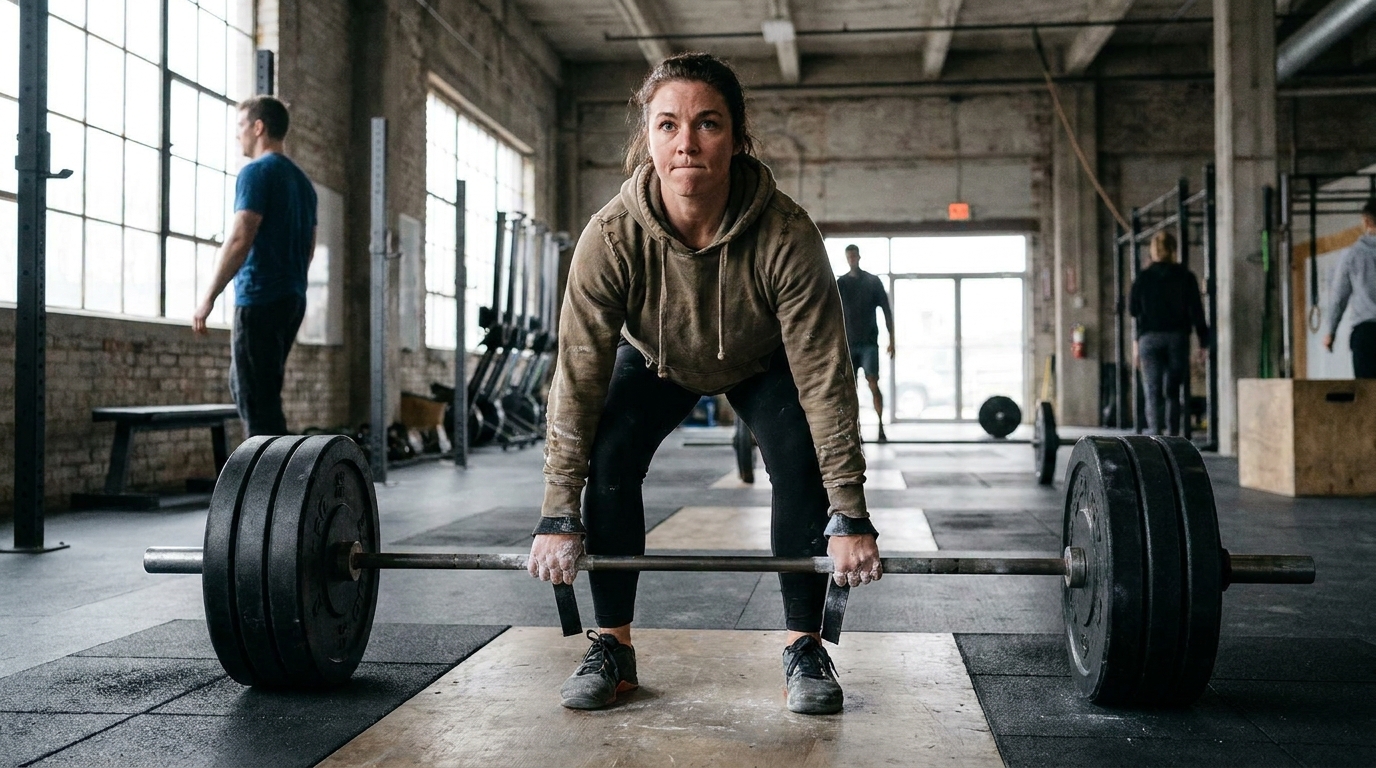
Bones respond to safe, controlled loading. Strength training, when done appropriately, can support bone strength by placing gentle stress on the skeleton through muscle action. This is especially important as you age because bone density can gradually reduce over time.
Strong bones and strong muscles work together. Your muscles help pull on bones, support joints, and assist balance. This combination can make daily movement feel steadier and more secure.
For many people in India, daily life includes movements like squatting partially to reach low cabinets, sitting cross-legged on the floor, bending to pick up items, using Indian-style toilets in some settings, or stepping over uneven surfaces outside the home. Strength and stability can make these movements easier and safer.
Strength is not only for the young
A common myth is that strength training is only for younger people or athletes. In reality, older adults often benefit greatly from strength-focused activity because it directly supports daily function.
You do not have to chase extreme goals. You are not required to lift heavy barbells, perform complicated gym routines, or copy online fitness challenges. Safer, age-appropriate strength training is about controlled movement, steady progress, and awareness of your body.
Examples of strength-based movements may include chair-supported movements, wall-based pushing movements, gentle resistance band exercises, or supervised weight training. These are general examples, not personal prescriptions. The right starting point depends on your current health, mobility, confidence, and medical background.
> ▣ Safety Note: Protect your joints
>
> Mild muscle effort during strength training can be normal. Sharp pain in the knee, hip, shoulder, back, or wrist is not something to “push through.” Stop and get assessed if pain is sudden, severe, or persistent.
3. Strength Training Makes Daily Tasks Feel Easier
One of the most practical reasons strength training matters more as you age is simple: life becomes easier when your body can handle ordinary tasks.
Think about what strength helps you do:
- Stand up from a chair without using your hands excessively
- Carry vegetables, rice bags, or shopping bags
- Lift a suitcase onto a bed
- Hold a grandchild safely
- Climb stairs without feeling overly strained
- Get up from the floor with better control
- Maintain posture while cooking, cleaning, or standing in queues
- Open jars, hold utensils, and manage household chores
These tasks may not look like “exercise,” but they require muscular effort. Strength training helps prepare your body for the real world.
The importance of functional strength
Functional strength means strength that supports your daily life. It is not about showing how much weight you can lift. It is about whether your legs, hips, core, arms, and grip can support the things you want and need to do.
For example, the ability to sit down and stand up repeatedly is linked to lower-body strength. The ability to carry groceries depends on grip, shoulder, back, and core strength. The ability to bend safely depends on hip mobility, leg strength, and trunk control.
In Indian homes, where many activities may happen close to the floor—such as sitting on a mattress, doing puja, sorting vegetables, eating on the floor, or playing with children—strength and mobility together become especially useful. Safe strength training can help you maintain these habits more comfortably, provided you practise within your ability and avoid forcing painful positions.
> ▣ Safety Note: Floor movements need caution
>
> If you have difficulty getting down to or up from the floor, do not practise floor-based movements alone. Use support, keep a stable chair nearby, and ask a family member to be present. If you feel unsteady, choose safer elevated options after professional guidance.
4. Strength Training Can Improve Balance and Reduce Fear of Falling
Balance is not only about standing on one leg. It depends on coordination between your muscles, joints, eyes, inner ear, and nervous system. As strength reduces, balance can feel less reliable.
Strength training supports balance by improving control in the legs, hips, ankles, and core. When your muscles respond better, you may feel more confident walking, turning, climbing stairs, or stepping over obstacles.
Falls are a major concern as people age, but the goal is not to live in fear. The goal is to prepare the body gently and safely. Better strength can support steadier movement.
Why leg and core strength matter
Your legs help you push, step, and recover if you stumble. Your core helps you maintain posture and control your trunk. Your hips help with side-to-side stability. Even ankle and foot strength can influence how secure you feel while walking.
Balance-focused strength activity may include supported standing exercises, controlled transitions, gentle lower-body strengthening, or supervised movement practice. These should be adapted to your comfort and safety level.
A space-constrained Indian home can still support safe activity if you plan carefully. Clear a small area near a wall or sturdy surface. Move loose rugs, wires, slippers, and low stools out of the way. Avoid exercising on slippery tiles while wearing unstable footwear.
> ▣ Safety Note: Create a fall-safe area
>
> Before exercising, check the floor. Remove clutter, wet patches, loose mats, and obstacles. Keep good lighting. Use a stable chair or wall for support if needed. If you have dizziness, poor balance, or a history of falls, get medical clearance and professional supervision before starting.
As we age, maintaining muscle mass and strength becomes increasingly important for overall health and mobility. A related article discusses the various benefits of strength training for older adults, emphasizing how it can enhance balance, reduce the risk of falls, and improve mental well-being. For more insights on this topic, you can read the article on EverPrime Care, which provides valuable information on how to incorporate effective strength training routines into your lifestyle as you grow older.
5. Strength Training Supports Joint Health When Done Safely
| Metric | Explanation | Impact of Strength Training |
|---|---|---|
| Muscle Mass Decline | Adults lose approximately 3-8% of muscle mass per decade after age 30 | Strength training slows muscle loss and promotes muscle growth |
| Bone Density Reduction | Bone density decreases by about 1-3% per year after age 40 | Weight-bearing exercises increase bone density and reduce osteoporosis risk |
| Metabolic Rate | Basal metabolic rate decreases by 1-2% per decade after age 20 | Increased muscle mass boosts metabolism, aiding weight management |
| Balance and Fall Risk | 1 in 4 adults aged 65+ experience falls annually | Strength training improves balance and reduces fall risk |
| Functional Independence | Muscle weakness is a leading cause of loss of independence in older adults | Maintains strength needed for daily activities and independence |
| Chronic Disease Management | Strength training helps manage conditions like arthritis, diabetes, and heart disease | Improves insulin sensitivity, reduces inflammation, and enhances cardiovascular health |
Many people worry that strength training will “damage the joints.” In reality, when done with correct technique and appropriate intensity, strength training can help support the muscles around joints. Stronger muscles can improve control and reduce unnecessary strain during daily movement.
Your joints—such as knees, hips, shoulders, and spine—depend on surrounding muscles for support. If muscles are weak, daily activities may place extra stress on joints. Strength training helps your body distribute effort more efficiently.
This does not mean every exercise suits every person. It also does not mean you should ignore pain. Joint-friendly strength training is slow, controlled, and adapted to your current ability.
Controlled movement is the key
Safe strength training usually avoids sudden jerks, bouncing, twisting under load, and forcing range of motion. Instead, it focuses on smooth movement, steady breathing, and good alignment.
For example, if you are doing a general lower-body movement, your knees, hips, and feet should move in a comfortable and controlled way. If you are doing an upper-body movement, your shoulders should not feel pinched or strained. If your back hurts during a movement, stop and reassess rather than forcing it.
Yoga can also be relevant for strength, especially poses that involve controlled bodyweight support. However, not every yoga posture is suitable for every person. Deep knee bending, fast transitions, inversions, or advanced balancing poses may not be safe for beginners or people with certain health concerns. Yoga should be approached gradually, preferably with a qualified teacher who understands safe modifications.
> ▣ Safety Note: Yoga is not automatically risk-free
>
> Yoga can build strength and body awareness, but advanced poses or forced stretching can cause injury. Avoid copying difficult poses from social media. Start with medically cleared, beginner-friendly, supervised practice when possible.
6. Strength Training Helps Maintain Metabolic Health
Muscle plays an important role in how your body uses energy. Strong, active muscles help your body handle glucose and support overall metabolic function. As you age, maintaining muscle becomes increasingly important for healthy ageing.
Strength training does not replace balanced nutrition, sleep, stress management, or medical care. But it can be a valuable part of a healthy lifestyle. It supports body composition, energy use, and physical confidence.
You may also find that regular strength activity improves how you feel during the day. Many people report feeling more energetic, more upright, and more capable after building consistency.
Why consistency matters more than intensity
You do not need extreme workouts to benefit. In fact, sudden intense exercise after years of inactivity can increase the risk of injury or discouragement. A safer approach is to begin gently, learn proper form, rest adequately, and progress slowly.
Consistency is often more powerful than enthusiasm that lasts only one week. A short, safe, regular routine—approved by your doctor and suited to your ability—is usually better than an exhausting session that leaves you sore for days.
In busy Indian households, exercise may need to fit around work, caregiving, cooking, commuting, and family responsibilities. That is why strength training should be practical. You may not need a large dedicated room. A cleared corner, a sturdy chair, and a few minutes of focused practice can be a starting point after clearance.
> ▣ Safety Note: More is not always better
>
> Muscles need rest to adapt. Avoid training the same muscles intensely every day, especially when starting. If soreness is severe or lasts unusually long, reduce intensity and seek guidance.
7. Strength Training Improves Posture and Supports Your Spine
With age, long sitting hours, mobile phone use, desk work, driving, and household chores can affect posture. You may notice rounded shoulders, forward head position, or stiffness in the upper back. Strength training can help support better posture by strengthening the muscles that hold you upright.
Posture is not about standing stiffly like a soldier. It is about having enough strength and mobility to maintain comfortable alignment during daily activities. Your back, shoulders, abdomen, hips, and neck all contribute.
Strong posture supports breathing and movement
When your upper back and core are stronger, you may find it easier to stand tall, walk with confidence, and breathe comfortably during activity. Good posture also helps distribute load more evenly when carrying bags, lifting household items, or cooking for long periods.
However, posture exercises should be chosen carefully. If you already have back pain, neck pain, nerve symptoms, or a history of spinal problems, you should not self-prescribe exercises from videos. Medical evaluation is important before beginning.
For many people, simple awareness helps: avoid holding your breath, avoid rushing, and keep movements controlled. If you are lifting something from the floor, bring it closer to your body rather than reaching far away. If you are carrying a load, distribute it evenly when possible.
> ▣ Safety Note: Be careful with back pain
>
> If you have pain spreading down the leg or arm, numbness, tingling, loss of bladder or bowel control, fever with back pain, or pain after a fall, seek medical care. Do not begin strength training without evaluation.
8. Strength Training Supports Independence and Confidence
One of the most meaningful benefits of strength training is independence. When your body feels more capable, you may feel more confident participating in family, social, and community life.
Strength helps you say yes to more things: visiting relatives, going to the market, attending functions, travelling, playing with children, or managing daily tasks with less dependence. It can also reduce hesitation around movement.
Ageing well is not about doing everything alone. It is about maintaining as much safe function as possible, while accepting support when needed. Strength training supports this by helping you remain active in the ways that matter to you.
Confidence grows through small wins
You do not need dramatic transformation. Confidence often comes from small changes: standing up more smoothly, feeling steadier on stairs, carrying a bag more comfortably, or noticing that your posture feels better.
These small wins matter. They show your body is responding. They also motivate you to continue.
It is important not to compare yourself with others. Your neighbour, spouse, sibling, or friend may have a different health history, body type, fitness level, and movement ability. Your safe starting point is your own.
> ▣ Safety Note: Avoid comparison-based exercise
>
> Do not copy someone else’s weights, repetitions, yoga poses, or pace. What is safe for one person may not be safe for another. Your exercise should match your medical status, comfort, and current ability.
9. Strength Training Can Be Started Safely Even in Small Indian Homes
A lack of space is one of the most common barriers to exercise. But strength training does not always require a gym, treadmill, or large room. Many strength activities can be done in a small, uncluttered area, provided safety is prioritised.
You may use a clear space near a wall, a stable chair, or a non-slippery surface. Resistance bands, light dumbbells, or even bodyweight-based movements can be useful tools when appropriate. However, household items should be used carefully. A water bottle or bag of rice may seem convenient, but if it is awkward to grip or unevenly loaded, it can increase strain.
How to prepare your home environment
Before starting any general strength session, you can make your home safer:
- Clear a small area of furniture edges, toys, wires, and loose rugs.
- Ensure the floor is dry and not slippery.
- Wear comfortable clothing that does not restrict movement.
- Use supportive footwear if the floor is smooth or if balance is a concern.
- Keep water nearby.
- Avoid exercising immediately after a heavy meal.
- Keep a phone accessible in case you need help.
- If you feel unsteady, have someone nearby.
These steps are simple but important. Safety is not an obstacle to exercise; it is what allows you to continue exercising for years.
> ▣ Safety Note: Choose sturdy support
>
> If you use a chair for support, it should be stable, non-rolling, and placed on a non-slippery surface. Avoid using plastic stools, wheeled chairs, or furniture that can shift suddenly.
10. Strength Training Works Best With a Safe-Start Mindset
The best strength training plan is not the most intense one. It is the one you can do safely, consistently, and confidently.
When you are starting out, your first goal is to learn how your body responds. This means paying attention to breathing, posture, effort, fatigue, and discomfort. You should be able to stop when needed. You should not feel pressured to complete a movement that does not feel right.
Step-by-step safe-start guidance
Here is a general safety-first approach—not a personalised prescription:
- Get medical clearance first. This is especially important if you have heart concerns, joint pain, dizziness, balance problems, breathing difficulty, diabetes, high blood pressure, recent surgery, or a long gap in physical activity.
- Begin with simple movements. Choose movements that are easy to understand and do not require complex coordination.
- Focus on form. Move slowly and avoid jerks.
- Use support if needed. A wall, railing, or sturdy chair can improve safety.
- Breathe normally. Avoid holding your breath during effort.
- Progress gradually. Increase difficulty only when your body feels ready and you have no concerning symptoms.
- Rest well. Recovery is part of training.
- Stop for warning signs. Chest pain, dizziness, severe breathlessness, fainting, sudden weakness, or sharp pain need attention.
This approach is suitable for most people as general guidance, but the details should be individualised by a qualified professional.
> ▣ Safety Note: Know when to stop
>
> Stop exercising and seek medical help if you experience chest discomfort, fainting, severe breathlessness, sudden severe headache, confusion, new weakness on one side, irregular heartbeat with discomfort, or severe pain.
11. Strength Training Pairs Well With Walking, Mobility, and Gentle Yoga
Strength training is important, but it does not have to stand alone. A well-rounded active lifestyle may also include walking, mobility work, balance practice, breathing awareness, and gentle stretching. If you enjoy yoga, it can be a helpful complement when taught safely.
Walking supports cardiovascular fitness and endurance. Strength training supports muscles, bones, and functional movement. Mobility helps joints move comfortably. Balance practice supports stability. Together, these elements can help you age with more confidence.
Why variety helps
Doing only one type of activity may leave gaps. For example, walking is excellent, but it may not fully maintain upper-body strength. Stretching may improve flexibility, but it may not build enough muscle strength. Yoga may support balance and control, but the intensity and safety depend heavily on the poses chosen and how they are taught.
Strength training fills an important gap by directly challenging muscles. This is why it becomes more important with age. It helps maintain the physical foundation needed for other activities.
If you enjoy traditional practices, you can include them thoughtfully. For example, gentle yoga-based movements may improve body awareness and breathing. But strength training principles—controlled effort, progressive challenge, good form, and recovery—still matter.
> ▣ Safety Note: Avoid sudden mixed routines
>
> Do not begin walking, strength training, yoga, and intense stretching all at once if you have been inactive. Add activity gradually so your body can adapt.
12. Strength Training Is an Investment in Healthy Ageing
As you age, strength training becomes less about “fitness culture” and more about quality of life. It helps you maintain muscle, support bones, protect joints, improve balance, and perform daily tasks with greater ease. It can support confidence, independence, posture, and metabolic health.
The encouraging truth is that it is rarely too late to begin—provided you start safely. Your body can respond to appropriate movement at many stages of life. The key is to respect your current capacity, seek medical clearance, and progress gently.
You do not have to train like an athlete. You do not have to join an expensive gym. You do not have to compete with anyone. You simply need a safe, realistic, doctor-approved starting point and the willingness to continue.
Aging is not only about adding years to life. It is also about adding strength, steadiness, and confidence to those years.
> ▣ Safety Note: Personalisation matters
>
> This article provides general education only. If you have medical conditions, pain, balance concerns, or past injuries, your exercise plan should be personalised by a qualified healthcare or fitness professional.
This article is for general information and does not replace personalised medical advice. Please consult a doctor before starting any new exercise programme.
FAQs
Why is strength training important as we age?
Strength training is crucial as we age because it helps combat the natural decline in muscle mass and strength that occurs with aging, known as sarcopenia. By engaging in regular strength training, older adults can maintain muscle mass, improve bone density, enhance balance and coordination, and reduce the risk of falls and injuries.
How often should older adults engage in strength training?
Older adults should aim to engage in strength training exercises at least two to three times per week. This frequency allows for adequate recovery while promoting muscle strength and endurance. It’s important to include exercises that target all major muscle groups during these sessions.
What types of strength training exercises are recommended for seniors?
Recommended strength training exercises for seniors include bodyweight exercises (like squats and push-ups), resistance band workouts, free weights, and weight machines. It’s essential to focus on functional movements that mimic daily activities, such as lifting, pushing, and pulling, to enhance overall mobility and independence.
Are there any risks associated with strength training for older adults?
While strength training is generally safe for older adults, there are some risks, particularly if exercises are performed incorrectly or without proper guidance. Potential risks include injury from improper form, overexertion, or pre-existing health conditions. It’s advisable for seniors to consult with a healthcare provider or a certified trainer before starting a new strength training program.
Can strength training improve mental health in older adults?
Yes, strength training can significantly improve mental health in older adults. Regular physical activity, including strength training, has been shown to reduce symptoms of anxiety and depression, enhance mood, and boost overall cognitive function. The sense of accomplishment and increased physical capability can also contribute to improved self-esteem and quality of life.